Going for a hike is great fun. You see beautiful nature. But it is important to stay safe. Search and rescue experts share their best tips. They list 8 must-have items for your backpack. These things can save your life. Travel + Leisure shared these important expert picks.
Thinking ahead keeps you safe. Accidents can happen fast outdoors. Being ready helps you enjoy your trip. It helps you get home safely too.
Your Essential Hiking Gear Checklist
Experts agree on these key items. They are important for every single hike. Make sure you have them all.
- Navigation tools: Always know where you are. Bring a paper map. Also carry a compass. Learn how to use them both. Your phone can help too. Download maps before you go. This works even without signal. A special GPS device is also good. Remember a power bank. It keeps your phone charged.
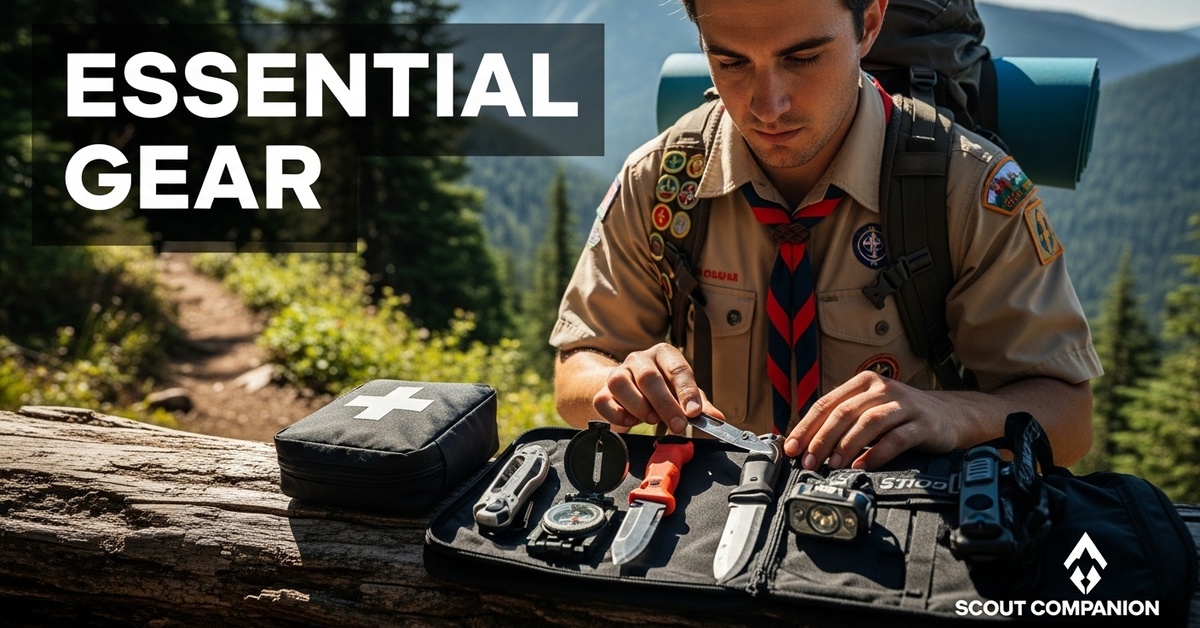
- Headlamp or flashlight: It gets dark quickly. Even on sunny days. You might stay out longer than planned. A headlamp lets you see hands-free. Always pack extra batteries.
- Sun protection: The sun can be very strong. Protect your skin from its rays. Bring sunscreen lotion. Wear a wide-brimmed hat. Sunglasses protect your eyes. Sunburn can make you sick.
- First-aid kit: Small cuts and scrapes happen. Pack a small kit. Include bandages for cuts. Add wipes to clean wounds. Pain medicine helps with headaches. Blister pads are great for feet. Remember any special medicine you need.
- Knife or multi-tool: This is a very handy item. A good knife can cut rope. It can open food packages. A multi-tool has many uses. It can help fix broken gear.
- Fire starter: Fire can keep you warm. It can also cook food. You can use it to signal for help. Pack waterproof matches. A reliable lighter is good. A fire steel is also a smart choice.
- Emergency shelter: What if you get stuck outside? You need a way to stay dry and warm. A small, lightweight tarp works. An emergency blanket (like a Mylar blanket) is very light. It keeps your body heat in.
- Extra food and water: Always bring more than you think you need. Pack high-energy snacks. Things like nuts, dried fruit, or energy bars are great. Carry plenty of water. A water filter or purification tablets are smart. They let you clean more water on the trail. This can save you if you run out.
These 8 items are your hiking buddies. They help you stay safe. They help you deal with problems.
Important Smart Hiking Habits
Having the right gear is step one. But experts also share smart habits. These actions make your hike even safer. Always think before you go.
- Tell someone your plan: This is super important. Tell a friend or family member. Share your exact hiking route. Say where you are going. Tell them when you expect to be back home. If you are late, they will know to get help.
- Check the weather forecast: Weather can change fast. Especially in mountains. Look at the forecast before you leave. Be ready for rain, wind, or cold.
- Dress in layers: Wear clothes you can easily add or remove. This helps you stay comfy. You can take off a jacket if you get hot. Put it back on if you get cold.
- Know your limits: Don’t try hikes that are too hard. Start with easy trails. Build up your strength. Listen to your body. If you feel tired, turn back. Pushing too hard can be dangerous.
- Practice using your gear: Don’t wait for an emergency. Learn how your compass works now. Practice starting a fire safely. Know how your water filter works. This makes you ready when it counts.
- Carry a whistle: A whistle takes little space. It makes a very loud sound. This sound carries much further than your voice. It helps rescuers find you if you are lost.
- Bring a trash bag: A large, strong trash bag has many uses. You can use it as a poncho if it rains. It can even be a quick emergency shelter. It is also good for packing out your trash.
- Leave no trace: Always pack out everything you pack in. Do not leave any trash. Keep the trails clean. This helps protect nature. It makes the outdoors nice for everyone. You can learn more about Leave No Trace principles.
These tips are simple. But they make a huge difference. They help you have a great time. They also keep you safe in the wild.
So, get ready for your next adventure. Pack smart. Hike safely. Enjoy the amazing outdoors. Being prepared is the best way to have fun.